Horses named in verse
Somali oral literature preserves individual horses by name, temperament, and deed. Recording, transcribing and translating this material is a founding task of the heritage programme.
Somali horsemanship is one of the least documented equestrian cultures in the world — not because it is thin, but because nobody has been charged with keeping the record. SREC is being formed, in part, to keep it.
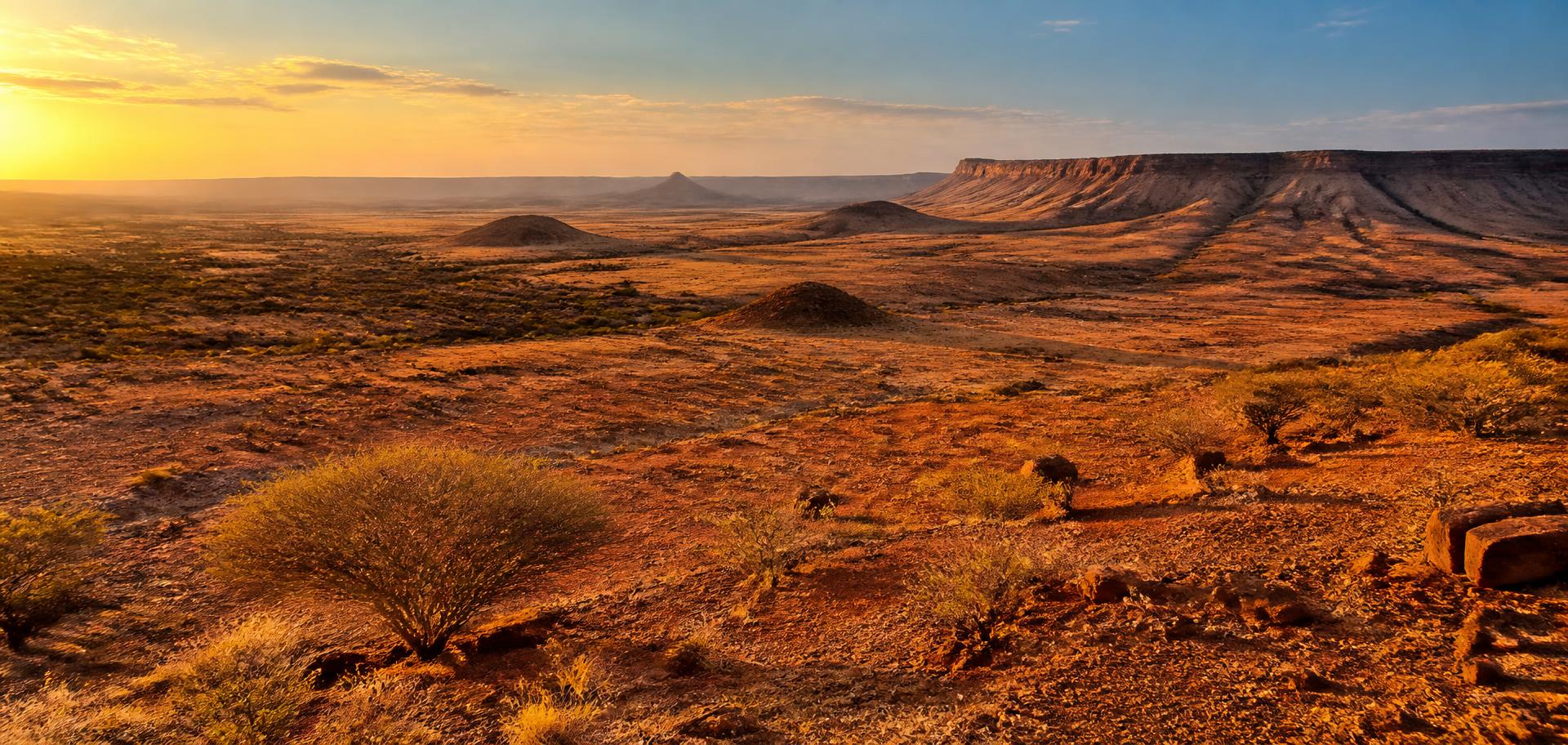
A country can lose a written archive and rebuild it. It cannot rebuild a horse culture once the last generation that carried it has gone.
Why preserve it
Every serious racing authority in the world sits on top of a documented breeding tradition. Somalia has the tradition and not the documentation. Everything SREC intends to build — a studbook, a set of rules, an academy, a museum — depends on first establishing what already exists.
This section is written as a record rather than a story. Where a claim rests on oral testimony, it is described as oral testimony. Where an image is an artist's reconstruction, it says so. That standard is deliberate: an institution asking to be trusted with capital should be legible about what it knows and what it does not.
Oral history, material culture, and archival reconstruction.
From pre-colonial pastoral use to the present day.
No national register of horses currently exists.
Heritage museum and cultural centre at Hudun.
Timeline
A compressed chronology assembled from published history and oral testimony. Dates for the pre-colonial period are approximate by nature.
Across the Horn, the horse becomes an instrument of mobility, status, and defence in pastoral society — valued less as livestock than as an extension of the household's standing and reach.
Selection is practical and unwritten: hardiness, soundness of foot, tolerance of heat and thirst, and stamina over distance. Pedigree is carried in memory and in the poetry that praised individual horses by name.
Mounted units become central to the Dervish movement's campaigns across the Nugaal and Sool. Horses are moved, hidden, and rebuilt as herds through two decades of conflict — the period in which the Somali horse becomes a political symbol as much as an animal.
Colonial administration, mechanisation, drought, and later state collapse erode organised horse-keeping. Yet the horse never leaves the plateau: breeding continues within families and clans, undocumented and largely unrecorded.
Somalia has horses, riders, and living knowledge — and no studbook, no registry, no governing body, and no museum holding the record. That gap is the reason SREC is being formed.
Gallery
No photographic record of the Dervish-era horse survives in accessible form. These plates are reconstructions, hung here as a museum would hang them: numbered, captioned, and honest about provenance.
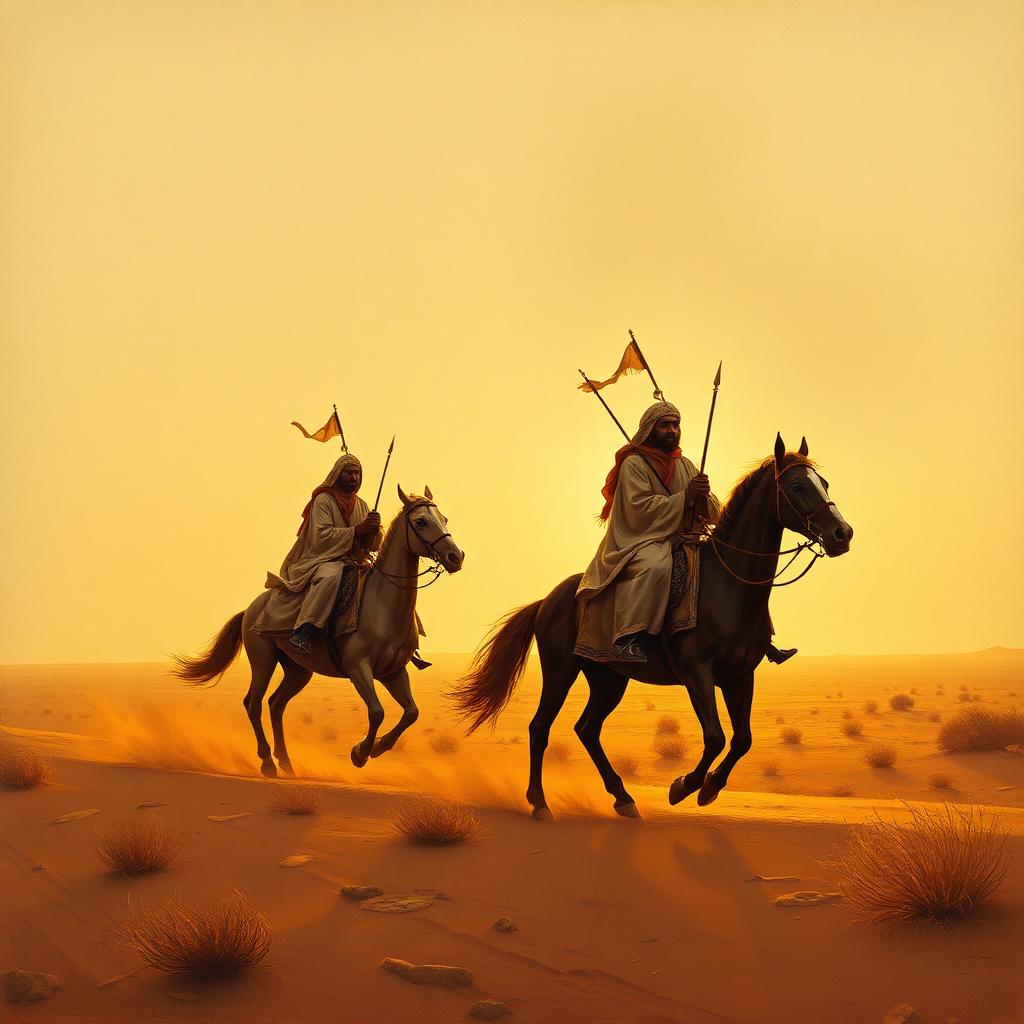
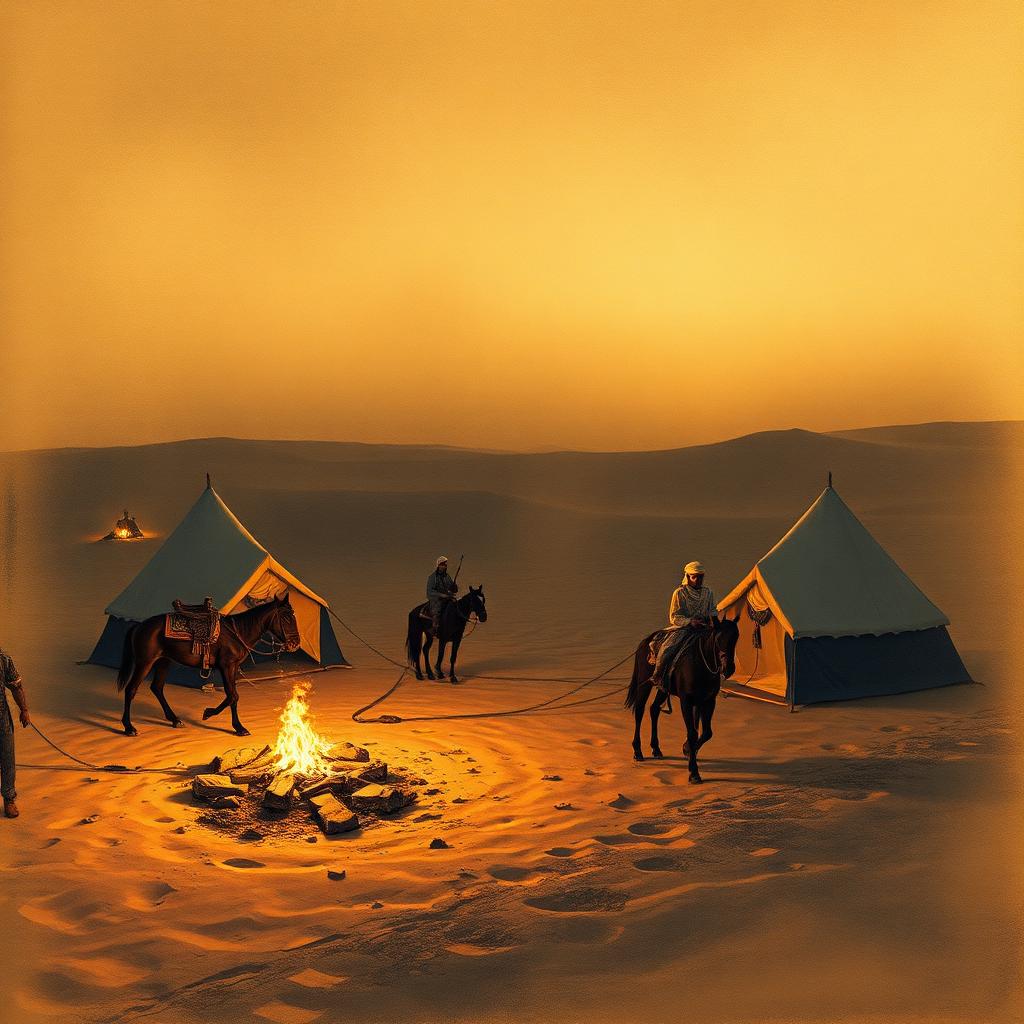
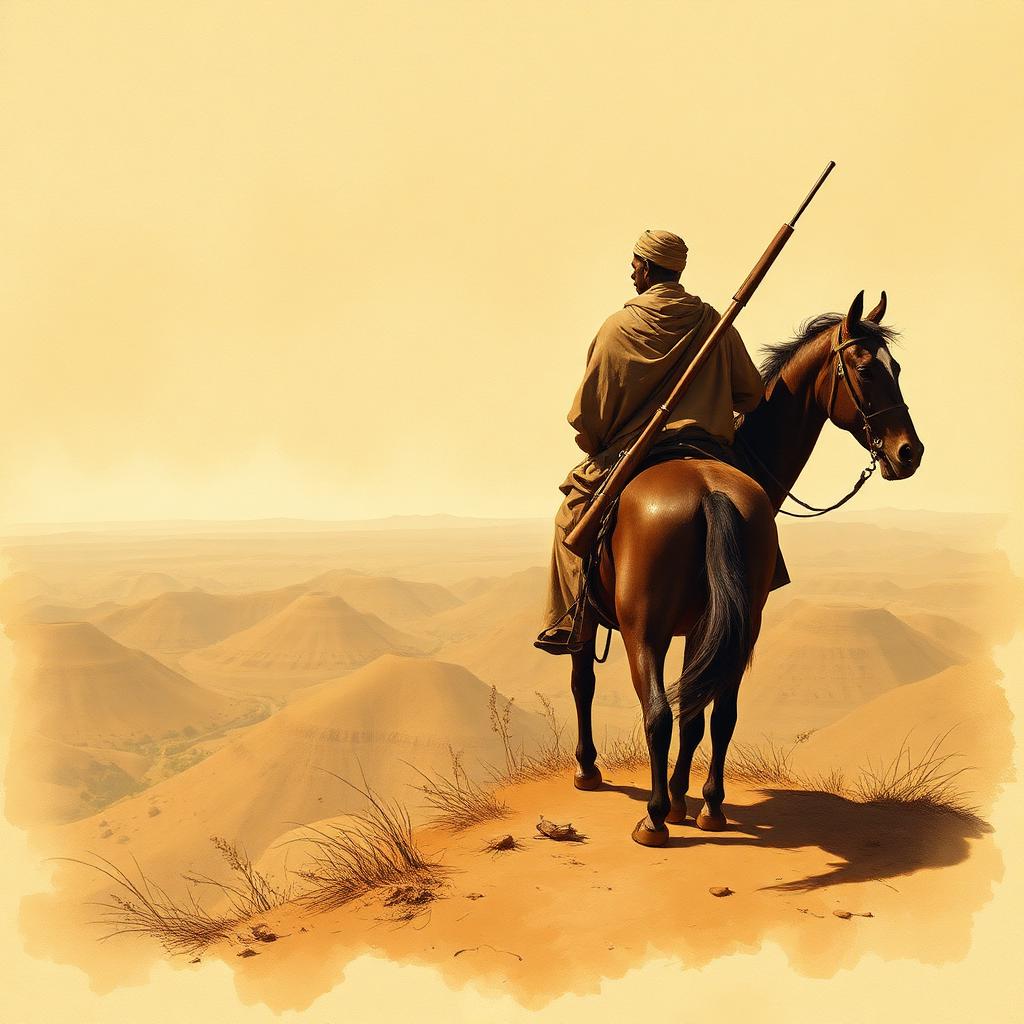
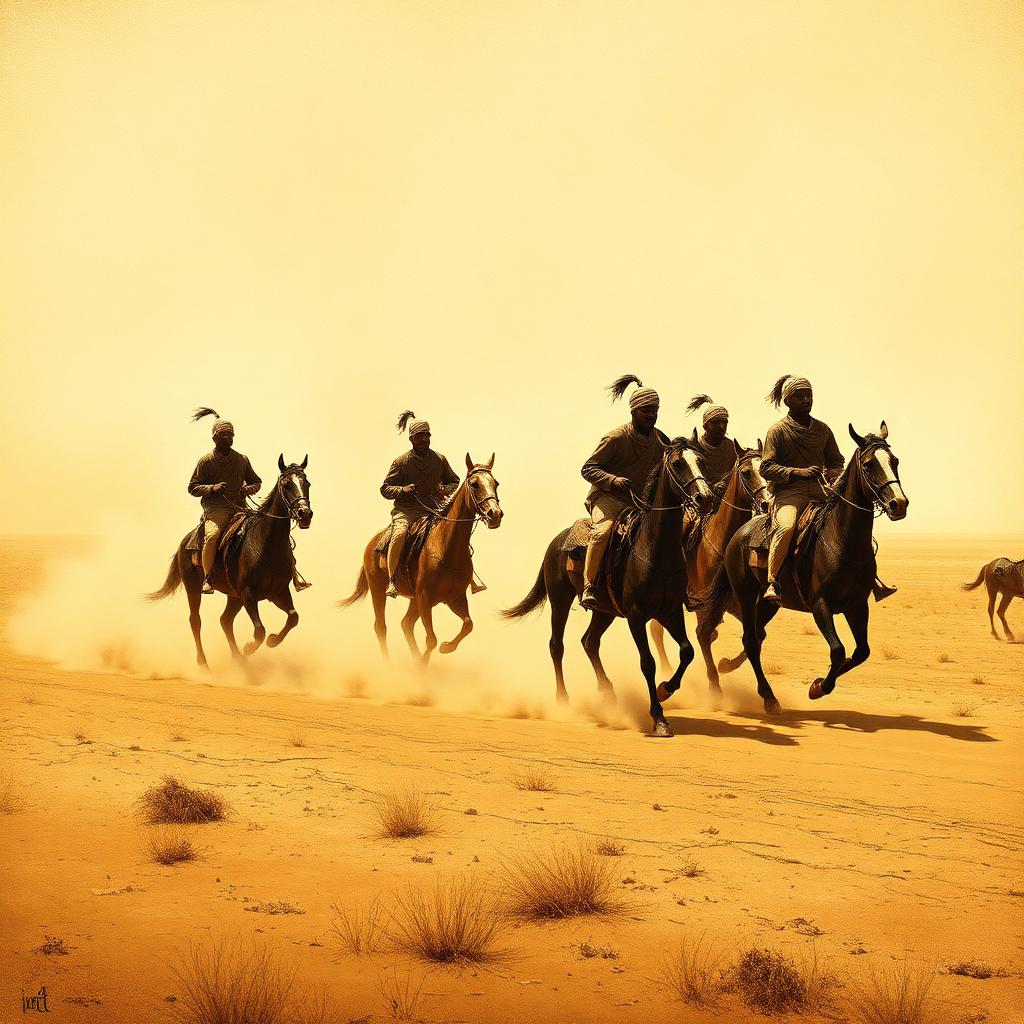
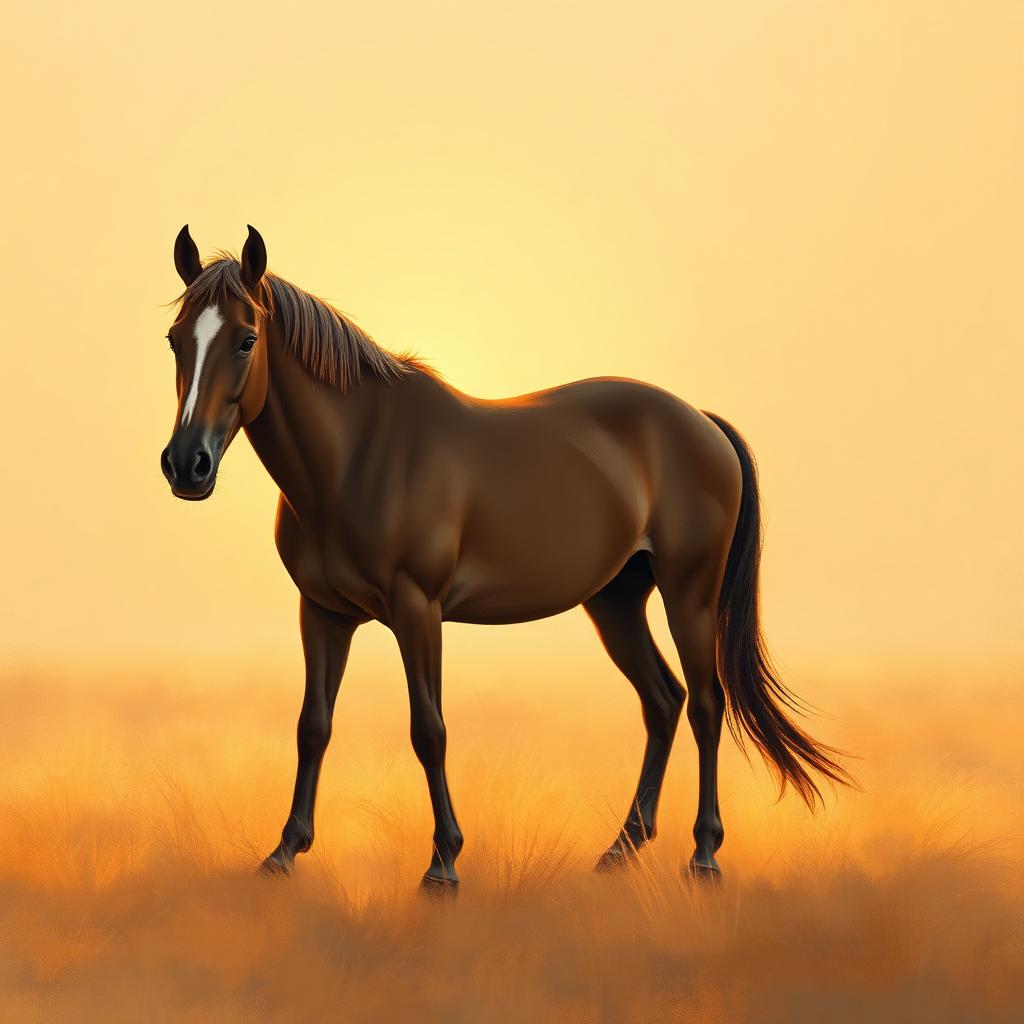
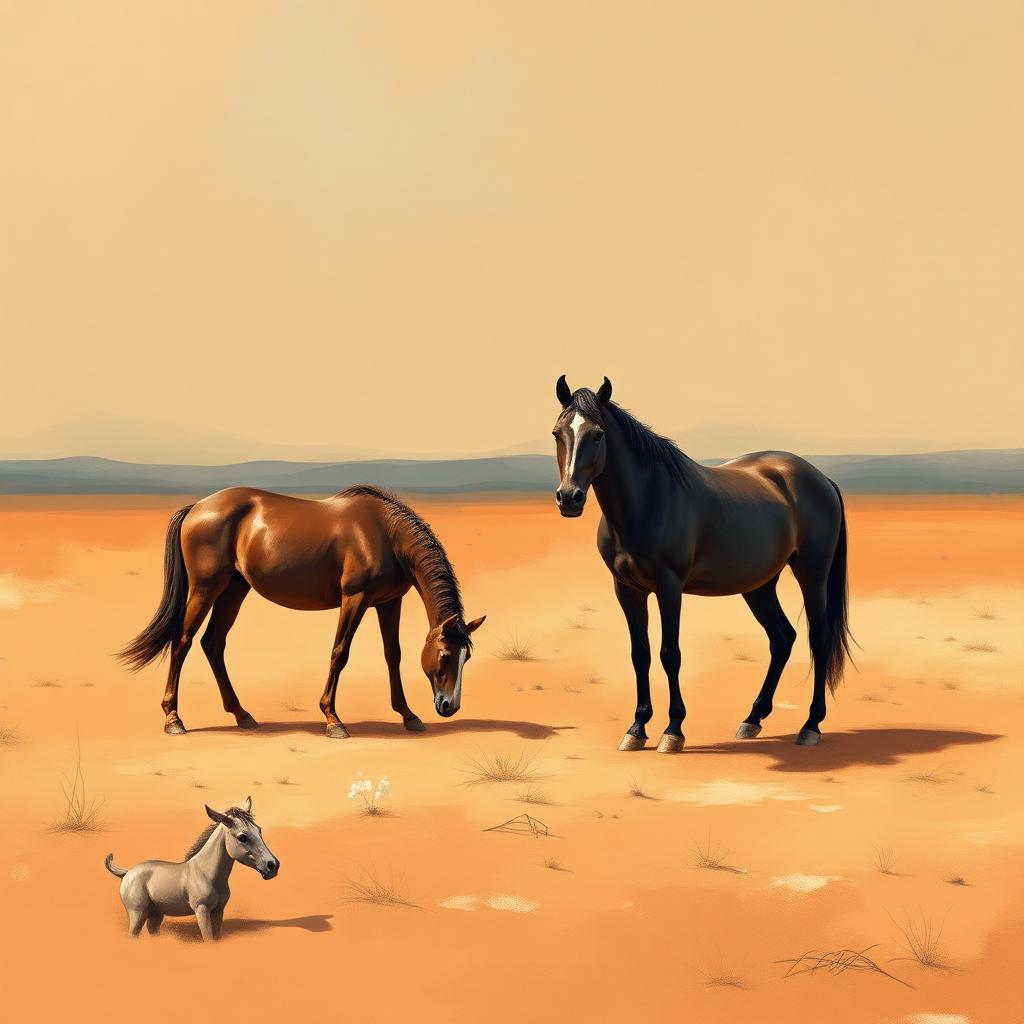
Illustrative imagery — to be replaced by archival material and commissioned art.
Oral history programme
Somali oral literature preserves individual horses by name, temperament, and deed. Recording, transcribing and translating this material is a founding task of the heritage programme.
Elders across Sool and the Nugaal hold breeding knowledge, route knowledge and conflict-era memory that exists nowhere in writing. SREC intends to record it while it can still be recorded.
Saddles, bridles, ropework and horse-cloth traditions are made by a shrinking number of craftspeople. Documenting technique, and commissioning new work, keeps the craft alive rather than embalmed.
All heritage programmes described here are planned. None are yet operating.
Museum vision · Planned
The planned heritage museum at Hudun would hold permanent galleries on pastoral horsemanship, the Dervish era, saddlery and craft, and the founding of the institution itself — alongside a working archive of recorded oral history open to researchers. It sits inside the racecourse grounds by design: the sport and the record it comes from should not be in separate buildings, or separate towns.
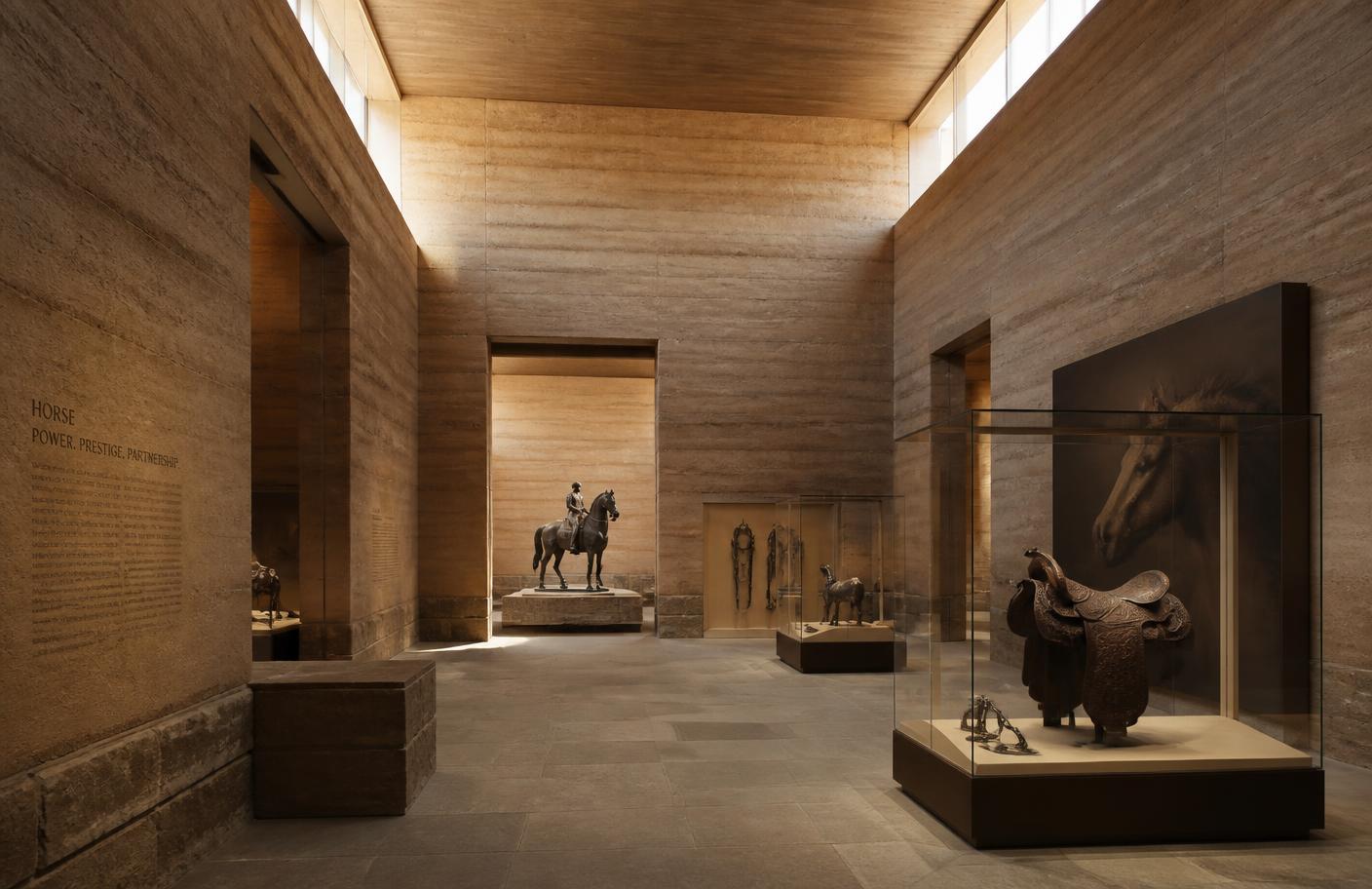
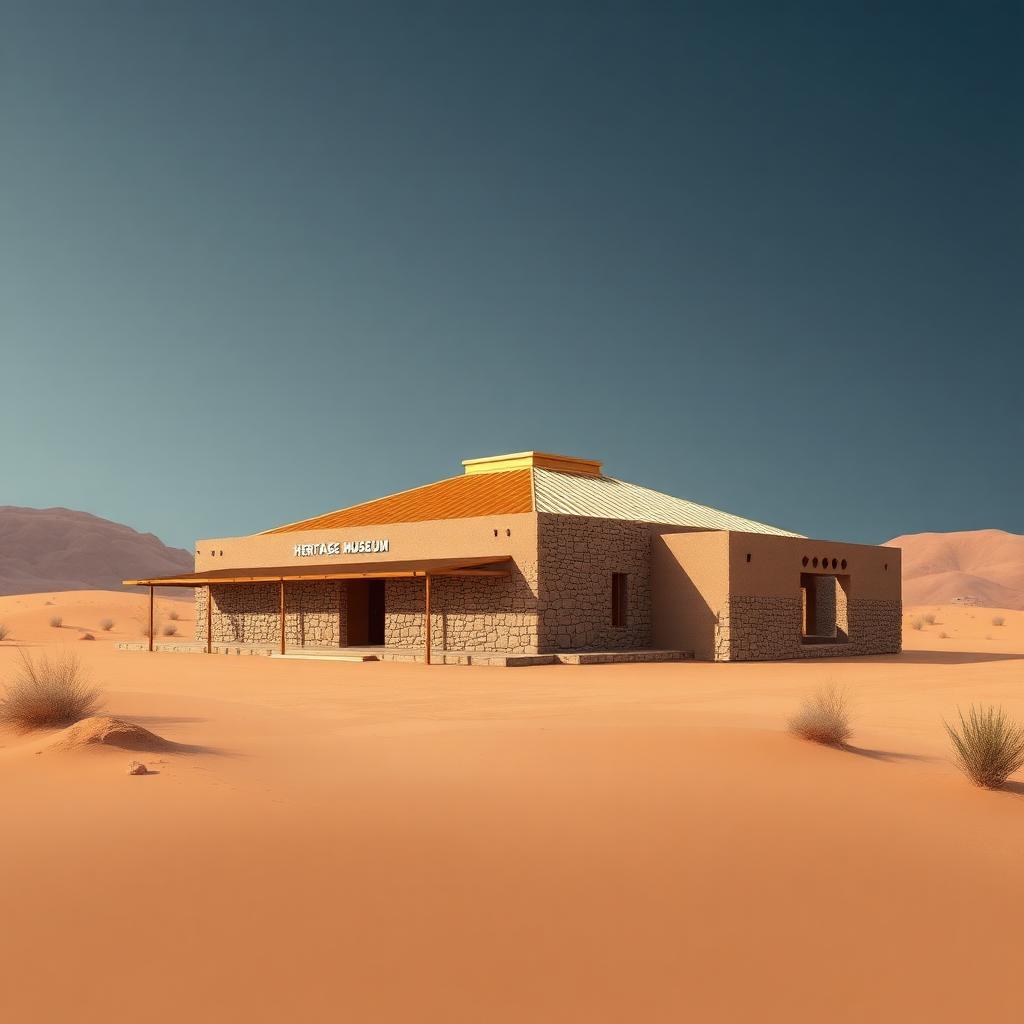
Architectural concept imagery — direction only, not a final design.