Govern the sport
Rules of racing, licensing, stewarding, anti-doping, and equine welfare — a national framework modelled on established international codes.
Governance & entity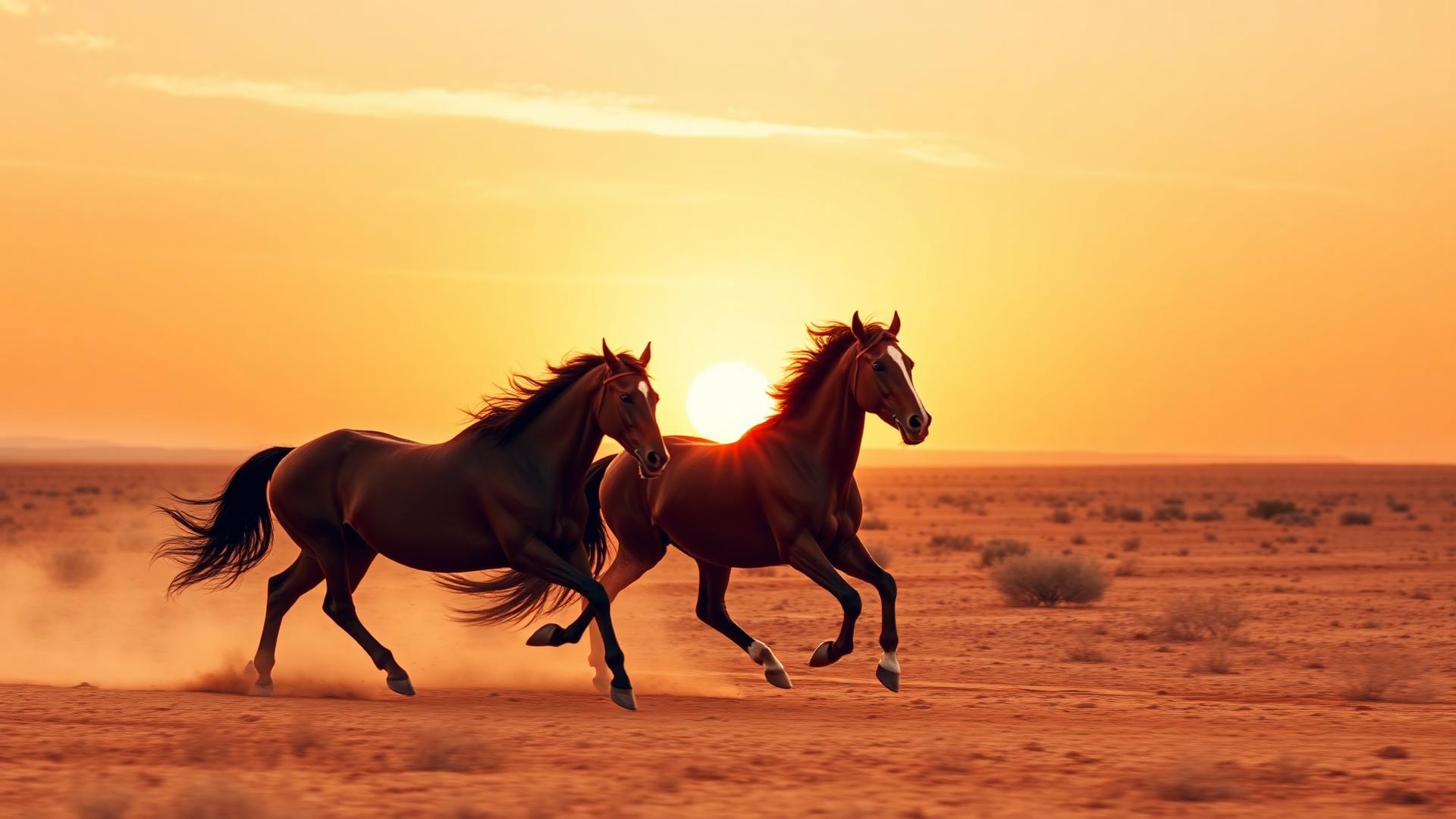
East Africa's first racing authority
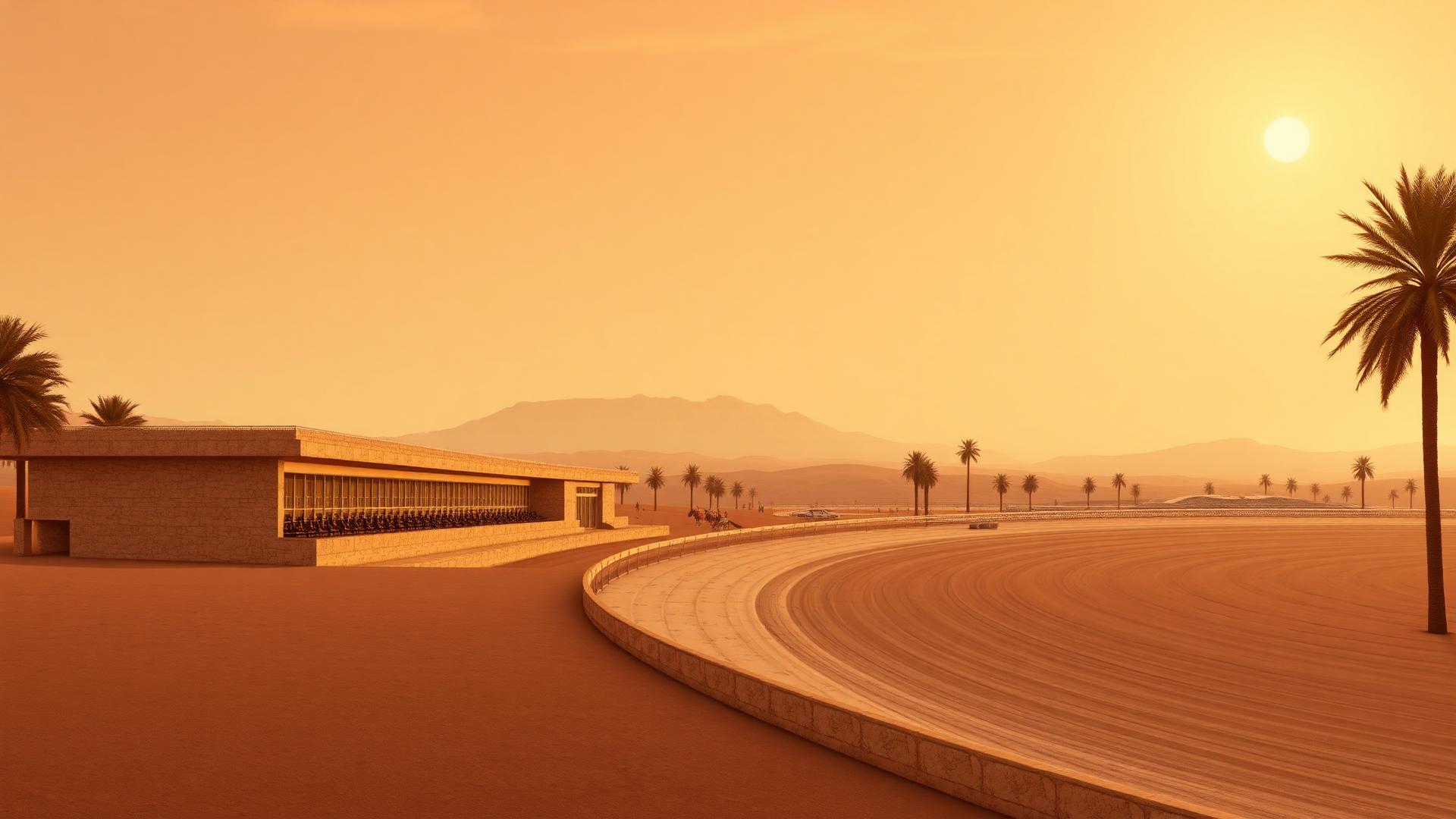
SREC is being established as the founding racing and equestrian authority of Somalia — built on the Hudun plateau, rooted in a century of Somali horsemanship.
Why this matters
SREC is not being founded to stage an event. It is being founded because an entire equestrian tradition is currently held in living memory, with nothing underneath it — and because the window to put something underneath it is closing.
In Somali life the horse carried standing, mobility and defence long before it carried a saddle number. It is named in praise poetry, remembered by temperament, and central to the mounted campaigns that shaped the country's early modern history. This is one of the oldest continuous horse cultures in the Horn — and one of the least documented anywhere in the world.
Breeding decisions are being made without pedigree. Oral testimony sits with an ageing generation. No register records which horses exist, who owns them, or what they descend from. Every year without an institution is a year of inheritance lost that cannot be reconstructed later at any price.
Bloodlines shaped by aridity, distance and thirst are of real value to a global breeding industry facing a warming climate. A documented Somali studbook is not a national vanity project; it adds a genuinely distinct line to a shared international record.
The region hosts horses, riders and competition without a founding body of international standing. SREC is being built to that standard from the first document — rules, welfare, integrity and records first — so that recognition, when it comes, is earned rather than negotiated.

In twenty-five years, success looks unremarkable: a studbook that works, officials who are licensed, an academy producing its own riders, and a calendar nobody has to explain.
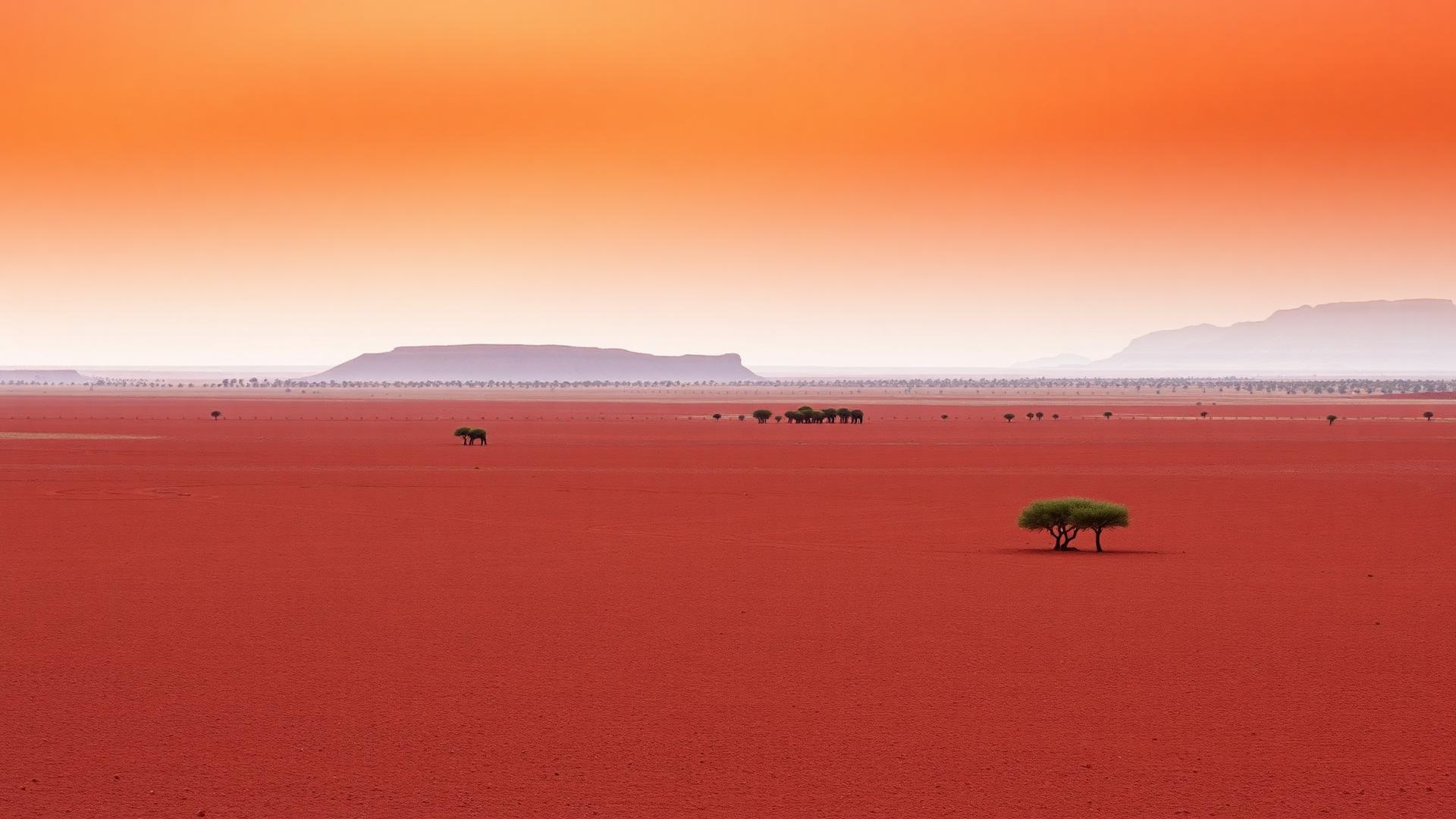
The next twenty-five years
Key numbers
Hudun, Sool — north-east Somalia.
One complete, four in progress.
English · العربية · Af-Soomaali.
Engagement open; nothing overstated.
Why SREC exists
Racing exists across the Horn as informal contest. What is missing is the framework that makes it a sport: rules, licensing, stewarding, welfare standards, and a studbook that records which horses exist and who owns them.
SREC is being built to supply that framework, on land acquired from the Hudun community for the purpose. We are pre-operational and say so plainly on every page — because the fastest way to lose an institutional partner is to overstate where you are.
Rules of racing, licensing, stewarding, anti-doping, and equine welfare — a national framework modelled on established international codes.
Governance & entityLand acquired at Hudun, moving through survey and formal title registration, with provenance published rather than asserted.
Land & site dossierThe first Somali studbook: identification, ownership records, and a documented account of the horses the country already has.
How the studbook worksA phased capital plan with governed use of funds, published so partners can assess it before a conversation begins.
Partnership & diligencePlanned fixtures · Indicative
Indicative only. No fixture is sanctioned or ticketed; dates depend on title issuance, construction, and the establishment of stewarding capability.
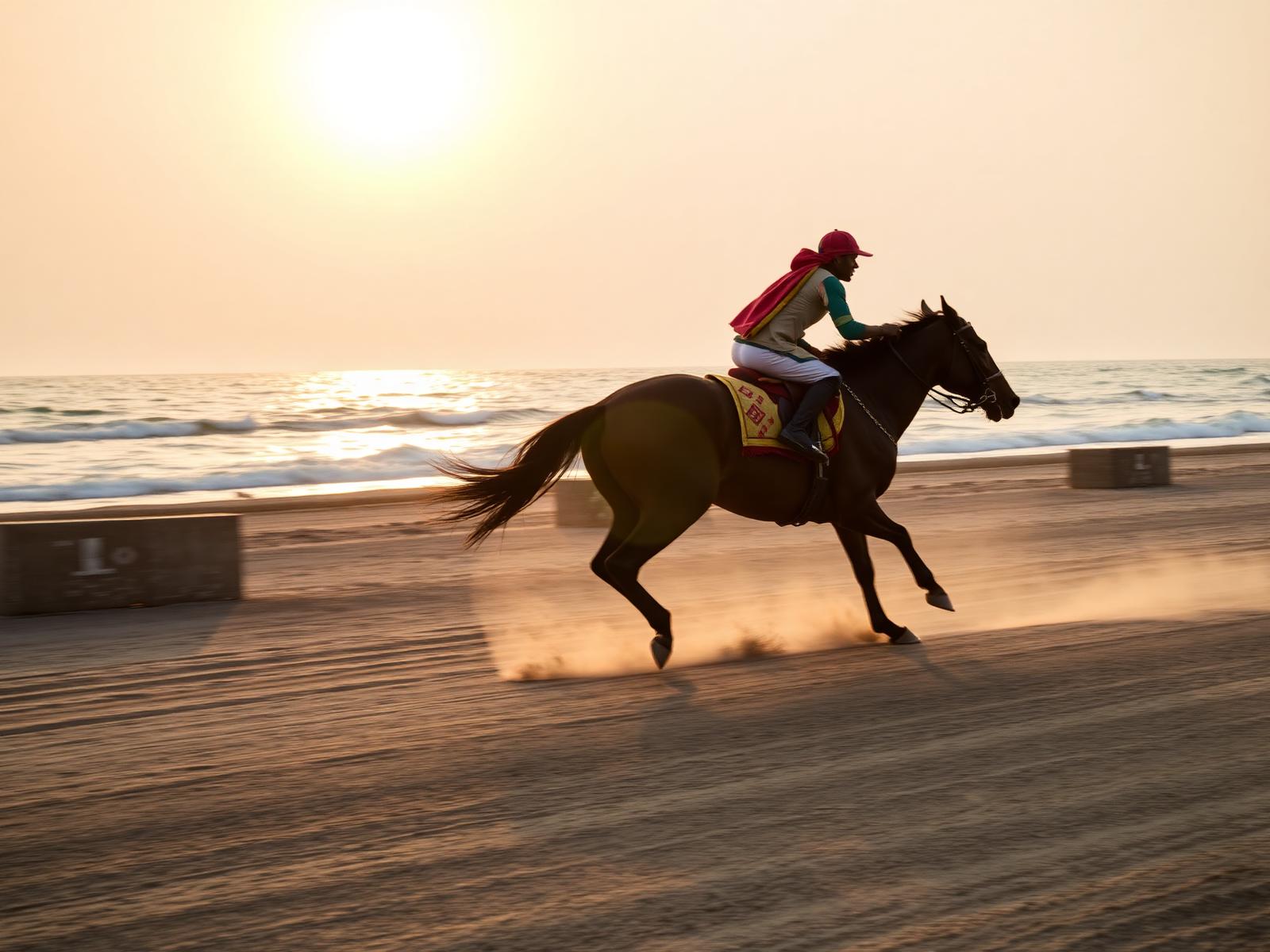
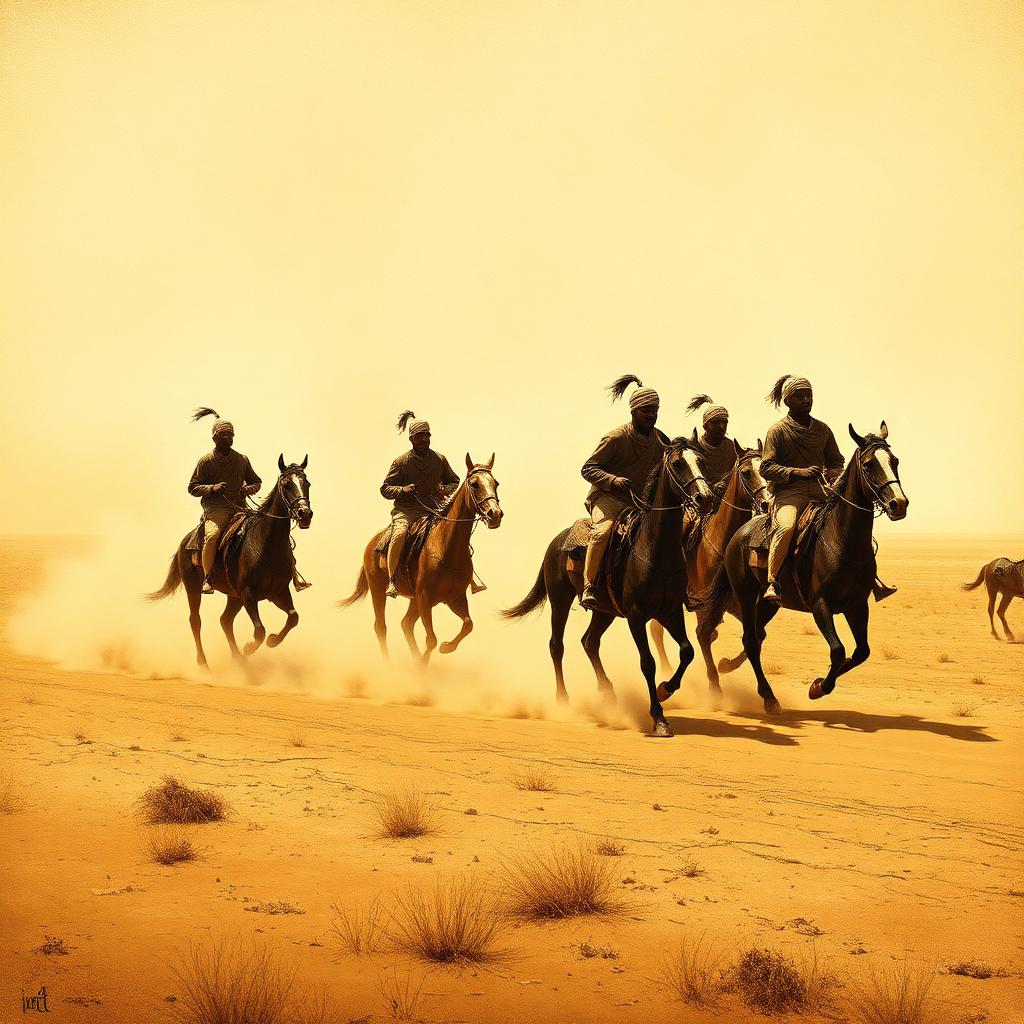
The Dervish legacy
From the late 1890s the Dervish movement mounted a two-decade resistance across the Nugaal and the Sool plateau. Its cavalry — Dhulbahante horsemen and their allied clans — moved fast between water points, fought British and Italian columns, and made the horse a living instrument of Somali sovereignty.
That lineage did not end at Taleh. It survived in pastoral riding, in wedding processions, in the language of praise poems. SREC is built on the same ground and inherits the same tradition — organised now as a modern racing authority, but founded on horsemanship that has been here all along.
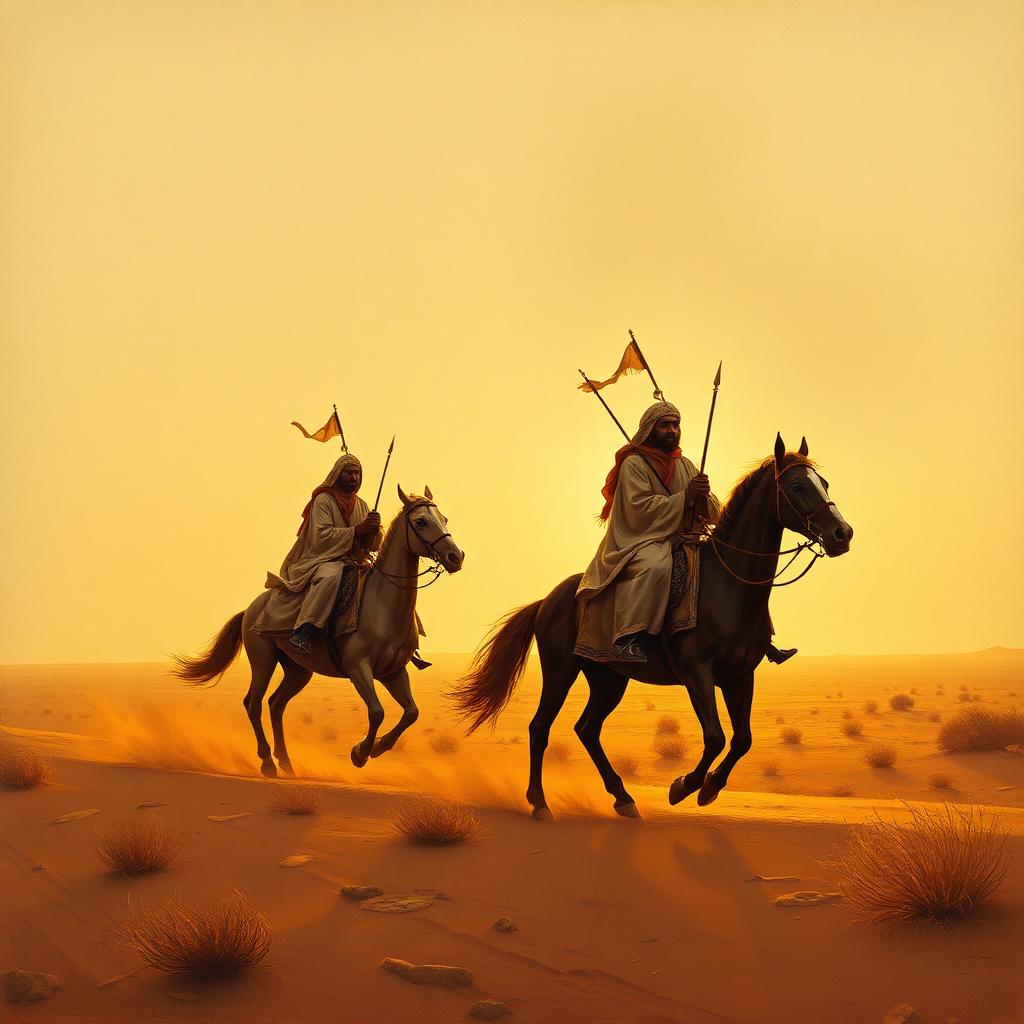
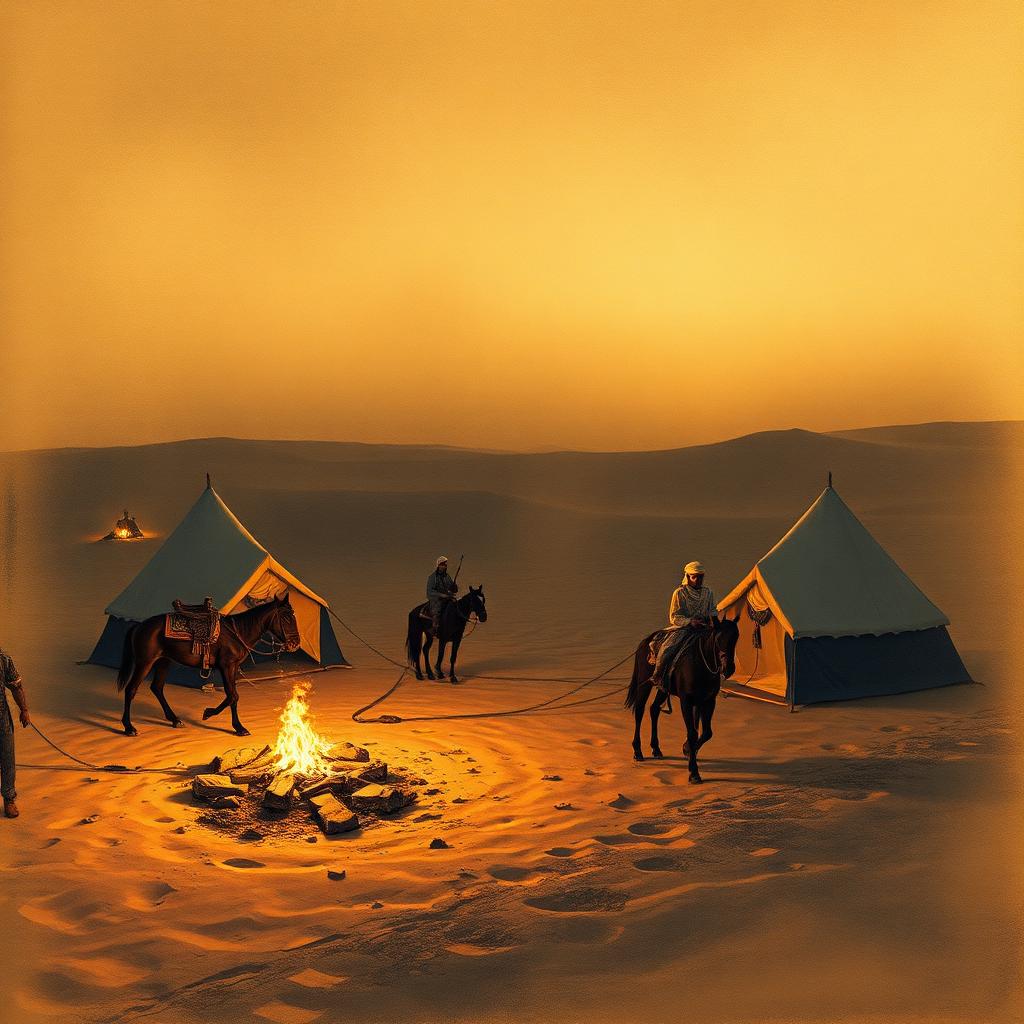
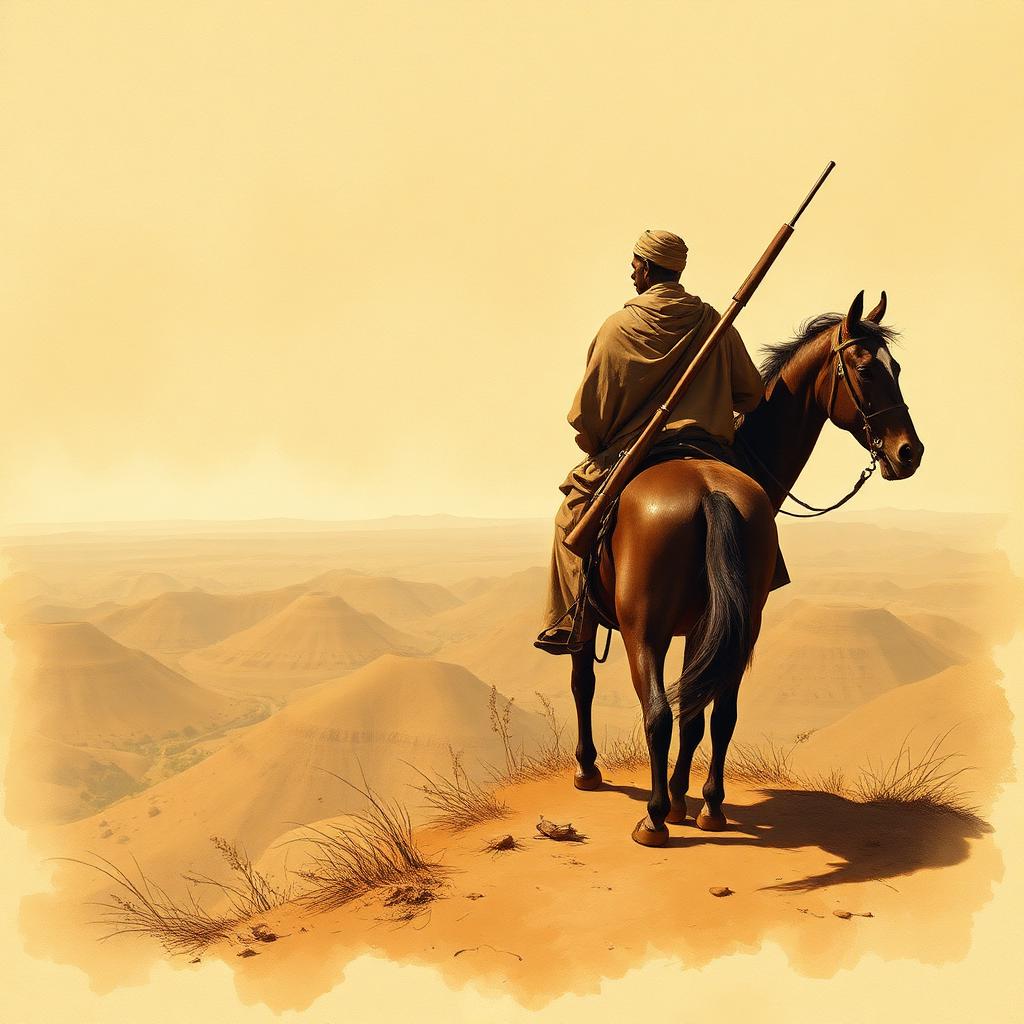
Illustrative imagery — no photographs of this period survive. Plates are historical impressions.
The horses
The horses of the Horn are small, tough, and long-winded — shaped by aridity, distance, and pastoral use. SREC's long-term programme covers stabling on the Hudun grounds, structured breeding with regional and Gulf partners, and the first Somali studbook: a documented, protected record of the bloodlines the country already has.
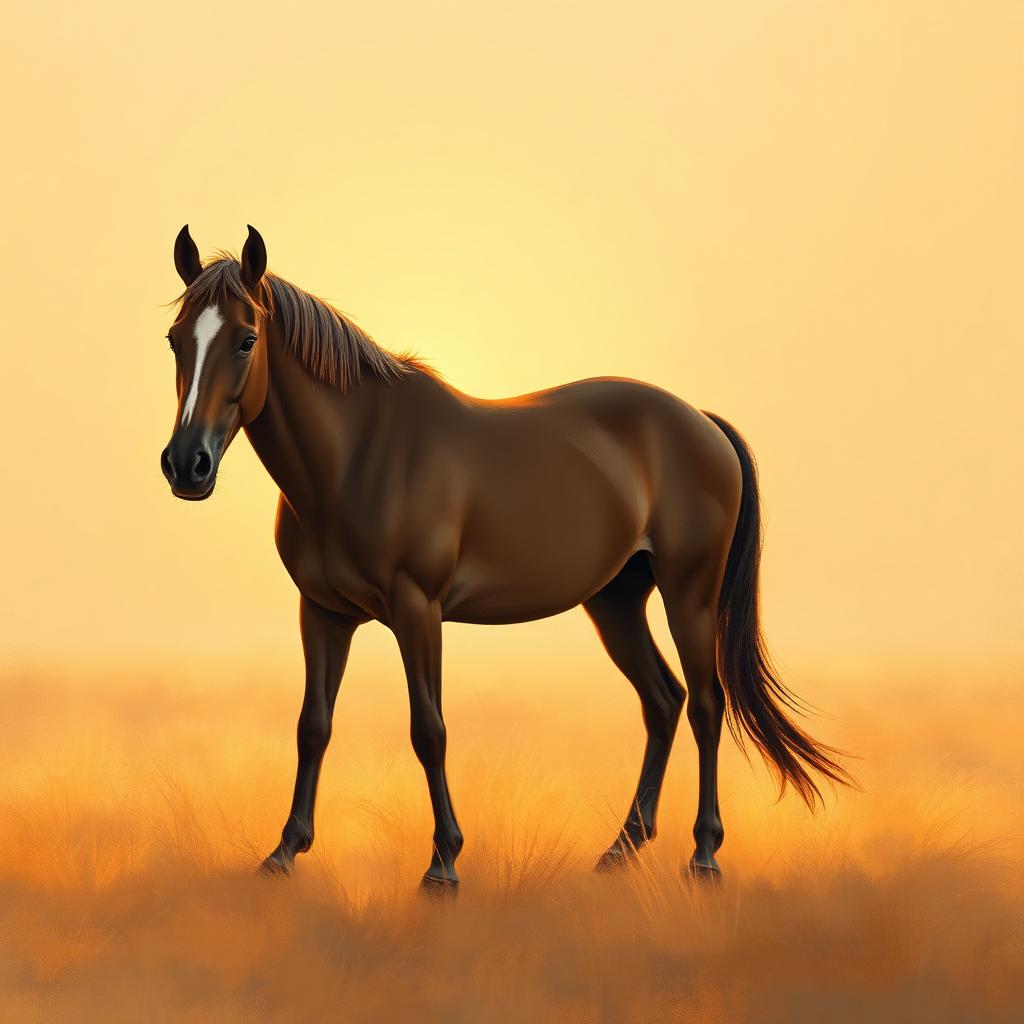
Compact, hardy, bred for arid country — the type that carried the Dervish and still works pastoral Somalia today.
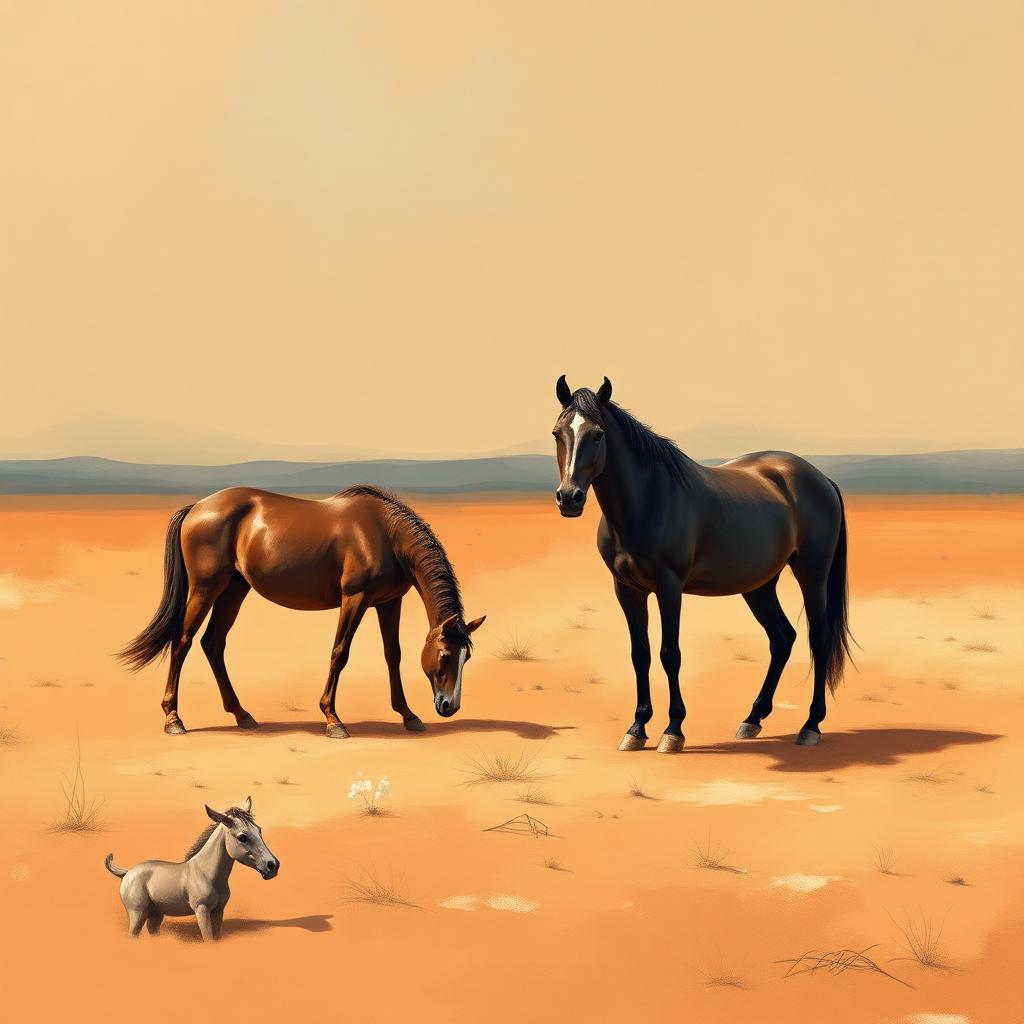
Related bloodlines from the Nugaal and wider Horn — SREC's studbook will document and protect them.
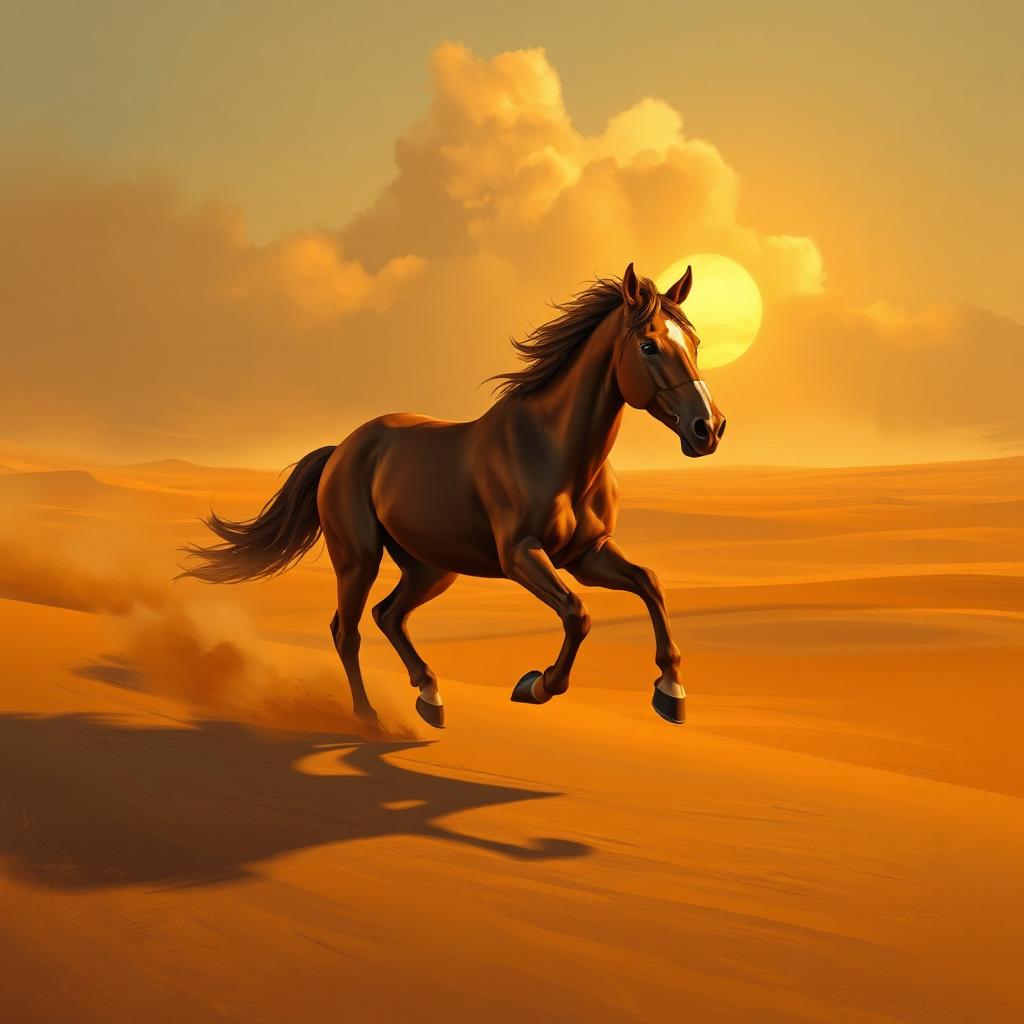
Selection, conditioning, and international sires — building a competitive Somali line for flat and endurance racing.
Illustrative imagery — painterly impressions pending commissioned art and photography.
Planned · On-site at Hudun
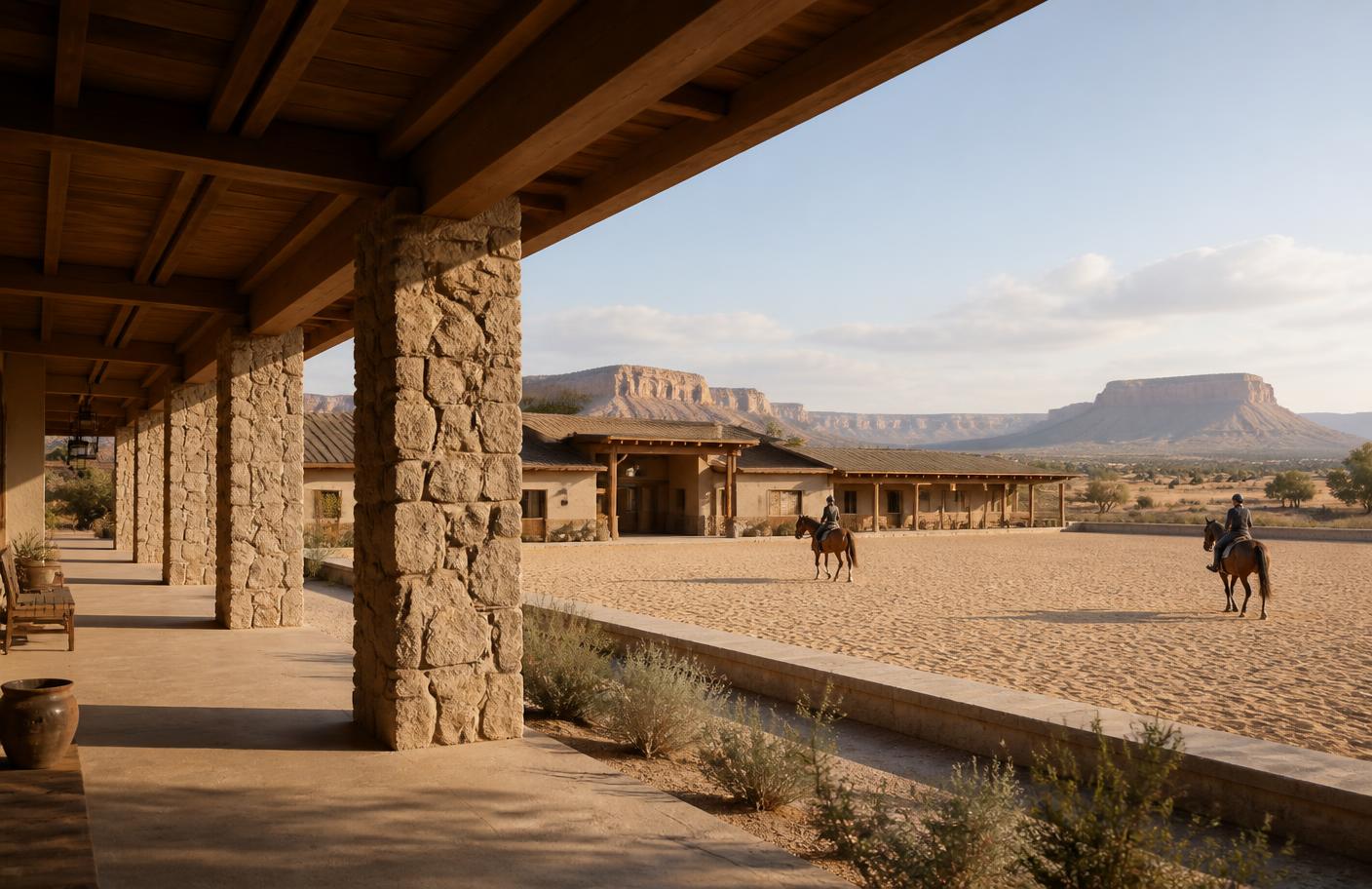
Opening in a later phase, the museum will make the story visible: Dervish-era resistance and horsemanship, the pastoral horse cultures of the Horn, and the founding acquisition of the Hudun land itself. The cultural centre adds a courtyard for lectures, majlis and community gatherings — a civic room, not a lobby.
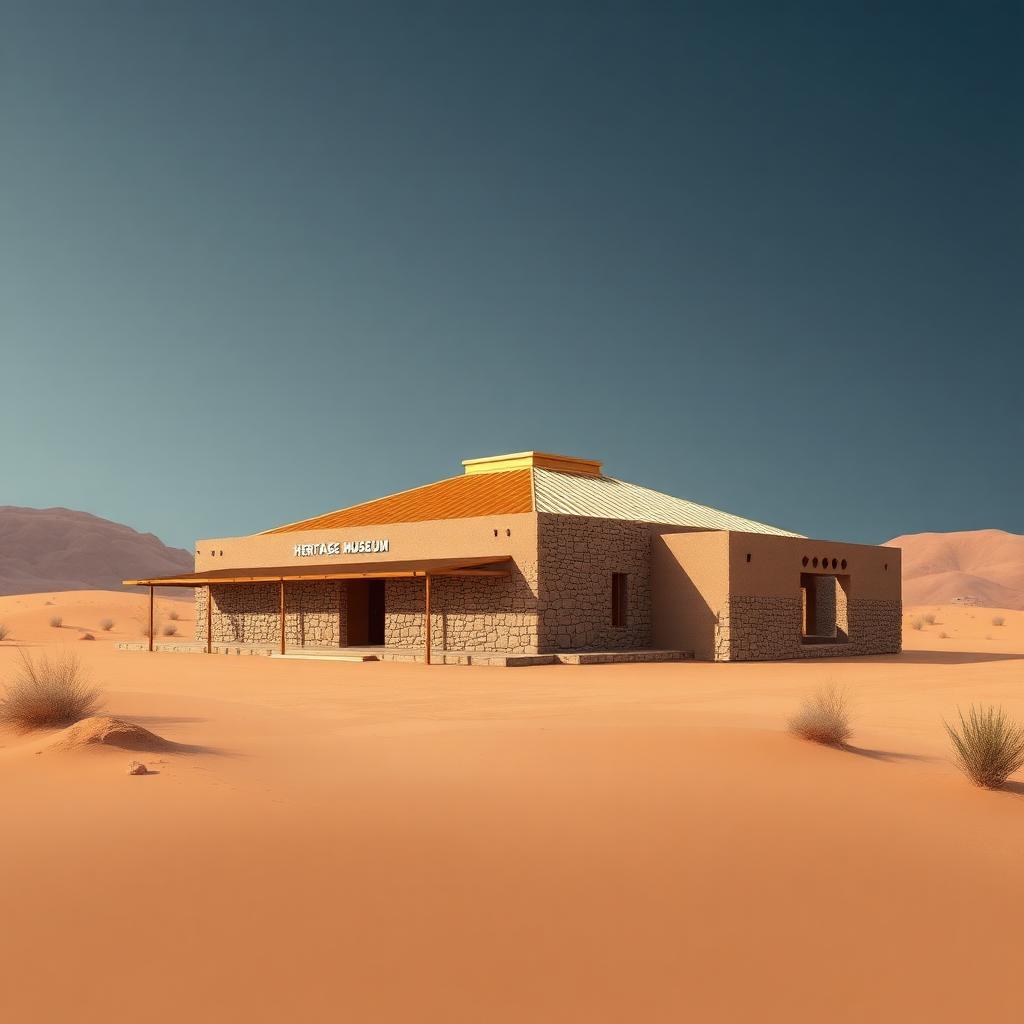
A low-slung stone and rammed-earth building on the racecourse grounds — permanent exhibits on Dervish history, Somali horsemanship, and the founding land acquisition.

An arcaded courtyard for gatherings, lectures, and majlis — the civic heart of the site alongside the grandstand.
Illustrative concept imagery — architectural direction, not final design.
Newsroom
Status entries, not press releases. Each links to the underlying record on this site.
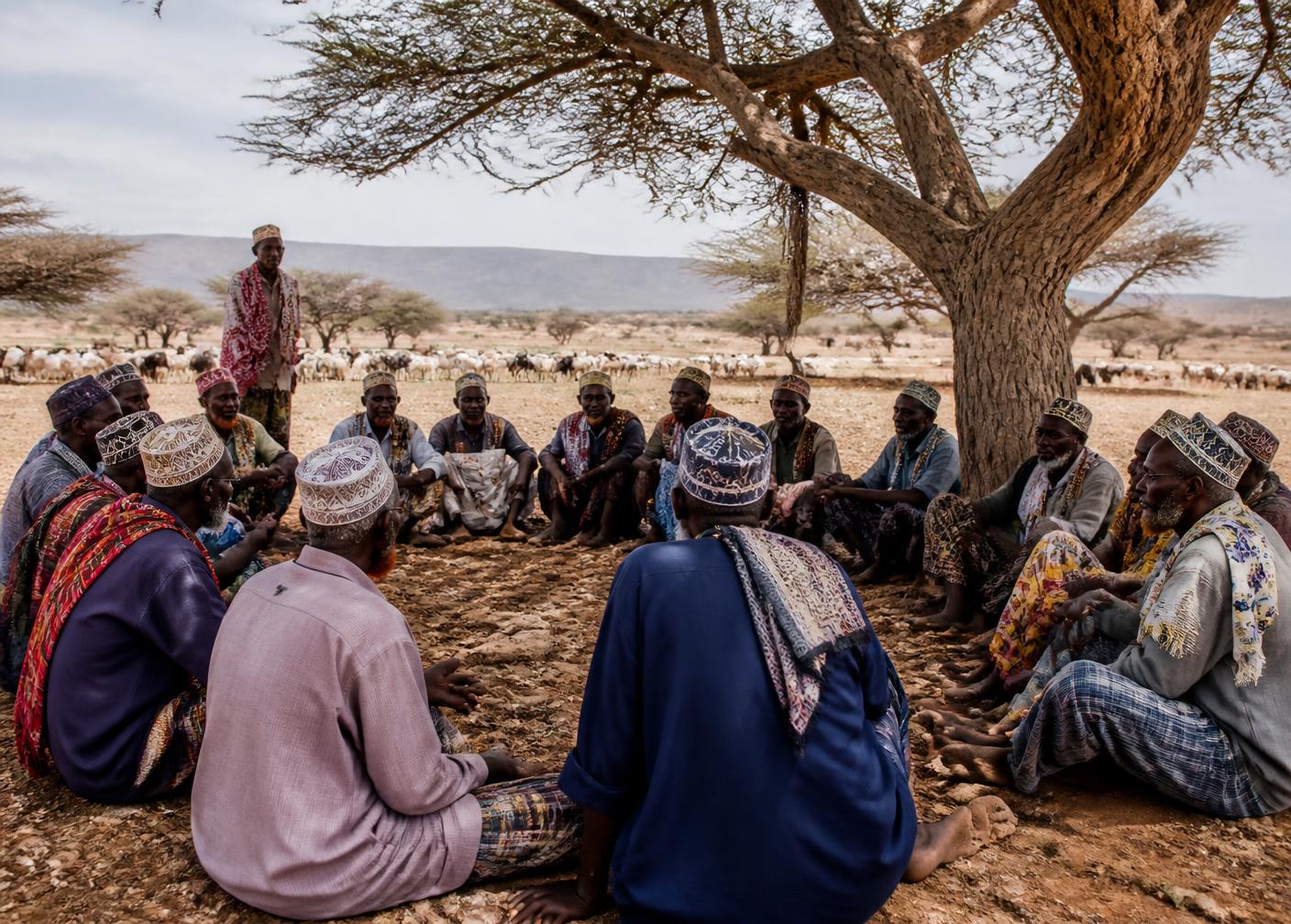
The founding acquisition record, agreed in community assembly, is the basis on which the Hudun site is held while titling proceeds.
Read the recordBoard appointments, committee terms of reference, and the registration pathway for SREC as an independent institution.
Read the recordPhased capital plan, use of funds, governance of capital, and current operating assumptions and constraints.
Read the recordInstitutional affiliation
Parent foundation and current steward — SREC is a founding initiative under its trusteeship.
milgofoundation.org (opens in a new tab)SREC has no confirmed external partners at this stage. Milgo Foundation is the parent body; every category below is an engagement we are actively seeking, not an existing affiliation. Nothing on this site should be read as endorsement by any racing authority, federation, or government body.
Where to go next
Governance milestones, land and titling progress, and partner briefings — sent only when there is something substantive to report.